

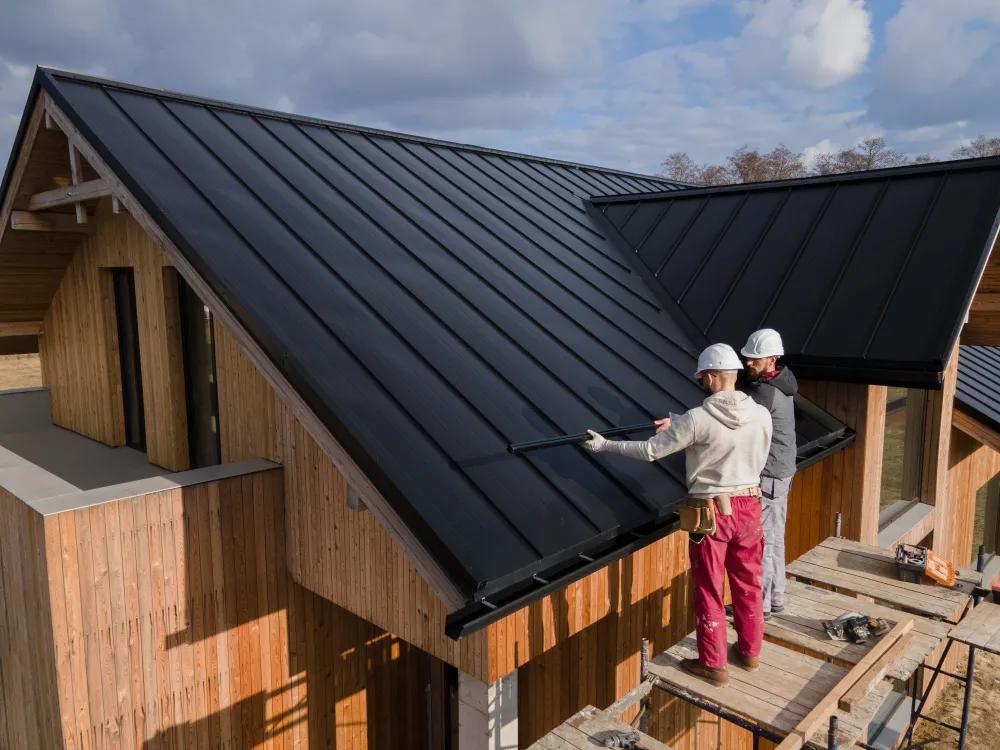
Roof Repair vs. Roof Replacement
A damaged roof does not always require a complete replacement. In many cases, timely repairs can restore a roof's performance and extend its lifespan. However, when damage becomes widespread or structural problems develop, replacing the roof may be the safer and more cost-effective solution.
Knowing the difference between repairs and replacement helps homeowners avoid unnecessary expenses while ensuring their property remains protected from the elements. This guide explains the most common signs that indicate whether a roof repair is sufficient or if a full roof replacement should be considered.
When Is Roof Repair Enough?
Minor roofing issues can often be resolved without replacing the entire roof. Repairs are generally appropriate when damage is limited to a small area and the overall roofing system remains in good condition.
Roof repairs may be suitable for:
A few missing or damaged shingles
Minor roof leaks
Small flashing issues
Localized wind damage
Minor hail damage
Isolated areas of cracked or loose shingles
Addressing these problems early can prevent more extensive damage and help maximize the life of the existing roof.
Signs It May Be Time for a Roof Replacement
While repairs work well for isolated problems, certain warning signs indicate that a full replacement may be the better long-term investment.
Extensive Shingle Damage
Roof shingles naturally deteriorate over time due to constant exposure to sunlight, rain, wind, hail, and changing temperatures.
Common signs of widespread shingle damage include:
Multiple cracked shingles
Missing shingles across several roof sections
Curling or buckling shingles
Excessive granule loss
Widespread mold or algae damage
When large portions of the roof show these issues, repair costs may approach the price of a replacement, making a new roof the more practical option.
A Sagging Roof Structure
A sagging roof is one of the most serious warning signs homeowners should never ignore.
Visible dips or uneven rooflines may indicate problems with:
Roof decking
Underlayment
Rafters or trusses
Structural framing
Long-term water damage
Because structural failure can compromise the safety of the home, a sagging roof should be inspected by a qualified roofing professional as soon as possible.
Persistent Roof Leaks
An occasional leak caused by isolated damage can often be repaired.
However, replacement may become necessary when:
Multiple leaks appear in different areas
Water damage continues after repairs
Roof decking has begun to rot
Moisture has damaged insulation or interior ceilings
Ignoring persistent leaks can lead to mold growth, wood rot, and expensive structural repairs.
Flashing Damage
Roof flashing protects vulnerable areas where water is most likely to enter the home, including:
Chimneys
Roof valleys
Skylights
Plumbing vents
Roof edges
Damaged or loose flashing can usually be repaired or replaced without installing a new roof. However, if water intrusion has caused significant deterioration beneath the flashing, a larger section of the roof—or even the entire roofing system—may require replacement.
Hail and Storm Damage
Severe weather is one of the leading causes of roof deterioration.
Strong storms may cause:
Broken shingles
Granule loss
Impact dents
Wind uplift
Water intrusion
Following hail or wind events, scheduling a professional roof inspection can help determine whether repairs are sufficient or if the roof has sustained enough damage to justify replacement.
Ice Dams and Winter Damage
In colder climates, ice dams can trap melting snow along roof edges, preventing proper drainage.
Over time, repeated freeze-thaw cycles may result in:
Water infiltration
Damaged shingles
Moisture beneath roofing materials
Gutter damage
Although a single ice dam does not necessarily require roof replacement, repeated winter damage should be professionally evaluated to assess the condition of the roofing system.
Roof Age Matters
The age of the roof plays a significant role in determining whether repairs are worthwhile.
General lifespan estimates include:
Roofing Material | Typical Lifespan |
Asphalt Shingles | 20–30 years |
Architectural Shingles | 25–35 years |
Metal Roofing | 40–70 years |
Tile Roofing | 50+ years |
If an older roof begins experiencing repeated problems, replacement often provides better long-term value than continuing to invest in frequent repairs.
Factors That Influence Roof Replacement Costs
The cost of replacing a roof varies depending on several factors, including:
Roof size
Roofing material
Roof pitch and complexity
Local labor costs
Removal of existing roofing
Structural repairs, if required
Obtaining multiple professional estimates can help homeowners compare options and make informed decisions based on both quality and value.
Should You Repair or Replace Your Roof?
The right solution depends on the overall condition of the roofing system.
Roof repair is often the best choice when:
Damage is isolated.
The roof is relatively new.
There are no structural concerns.
Repairs can restore full performance.
Roof replacement is generally recommended when:
Damage affects a large portion of the roof.
Structural problems are present.
Leaks continue despite repairs.
The roof has reached the end of its expected lifespan.
A professional roof inspection can accurately identify the extent of damage and help determine the most cost-effective course of action.
Conclusion
Choosing between roof repair and roof replacement requires careful evaluation of the roof's age, condition, and overall performance. While many roofing problems can be addressed with timely repairs, widespread deterioration, structural damage, or recurring leaks may indicate that replacement is the better long-term investment.
Regular roof inspections, prompt maintenance, and early attention to warning signs can help homeowners protect their property, reduce repair costs, and extend the life of their roofing system.
Whether you're dealing with storm damage, roof leaks, missing shingles, or general wear and tear, R. Cooper Roofing & Siding delivers dependable roofing solutions tailored to your home's needs. With professional inspections, quality craftsmanship, and durable materials, the team helps restore your roof's strength and protect your property for years to come. If you're searching for trusted roof repair services in Missouri City, contact them to schedule an inspection and receive a customized repair solution from experienced roofing professionals.